
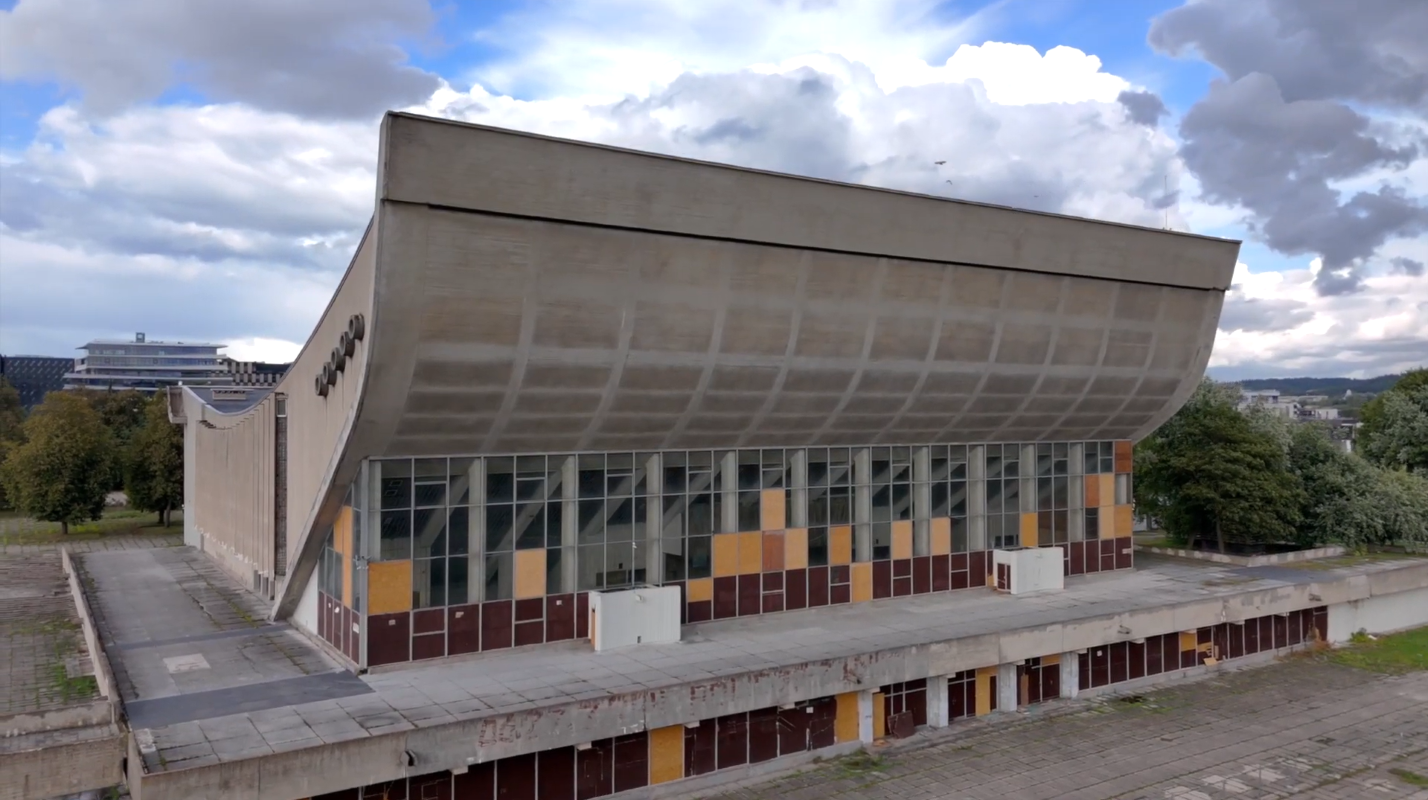
Video_Lecture_01
Postwar concrete architecture represents a specific, abundant, and relatively recent yet significant facet of modern heritage, warranting a sustainable approach to its preservation. This training aims to introduce Preservation Guidelines for Concrete Architecture, detailing a seven-step process explicitly framed within sustainability, which will be delivered in a video format. These steps encompass:
1. Planning the process and assembling an experienced project team, including the owner, community, and experts in sustainable development.
2. Holistic evaluation of cultural values.
3. Evaluation of technical condition.
4. Developing a sustainable preservation strategy and choosing a preservation category for concrete surfaces (introducing the possibilities of HBIM).
5. Preparation of a detailed project plan.
6. Implementation and periodic monitoring of the project.
7. Promotion and celebration of successful projects.
Learning Objectives
Upon completion of this training, participants will be able to:
- Explain the importance of a sustainable approach to the preservation of postwar concrete architecture
- Outline and describe the seven-step process for preserving concrete architecture.
- Conduct a holistic evaluation of a concrete heritage by assessing both its cultural values and its technical condition.
- Primary knowledge on CMP and a sustainable preservation strategy, including the ability to select an appropriate preservation category for concrete surfaces.
- Recognize the possibilities and applications of HBIM (Heritage Building Information Modeling) in developing and managing sustainable preservation strategies for concrete architecture.
Effort
41 minutes.
Format
Video lecture
For whom?
- Community of the school: administration, teachers, pupils and their parents.
- Policymakers - Representatives of the municipality and public officials responsible for renovation. (VVK)
- Local community
Provider
Vilnius Tech
Prerequisites
Level 5 EQF – for policy makers and public officials
Topic
Buildings - updating existing buildings and designing/constructing modern sustainable buildings according to NEB values.
Cultural Heritage buildings and objects - modern techniques in combination with traditional skills to maintain cultural heritage objects.
Digitalisation - digital skills and the application of digital technologies to optimise individual buildings or the supply and value chains surrounding them.
| Name | Version | Size | Downloads | Modified | ||
|---|---|---|---|---|---|---|
| No Downloads available | ||||||